



Caitlin Clark Injury: Full Update on Groin Strain, Recovery, and Return to WNBA
Understanding Caitlin Clark’s Injury Story in Professional Basketball
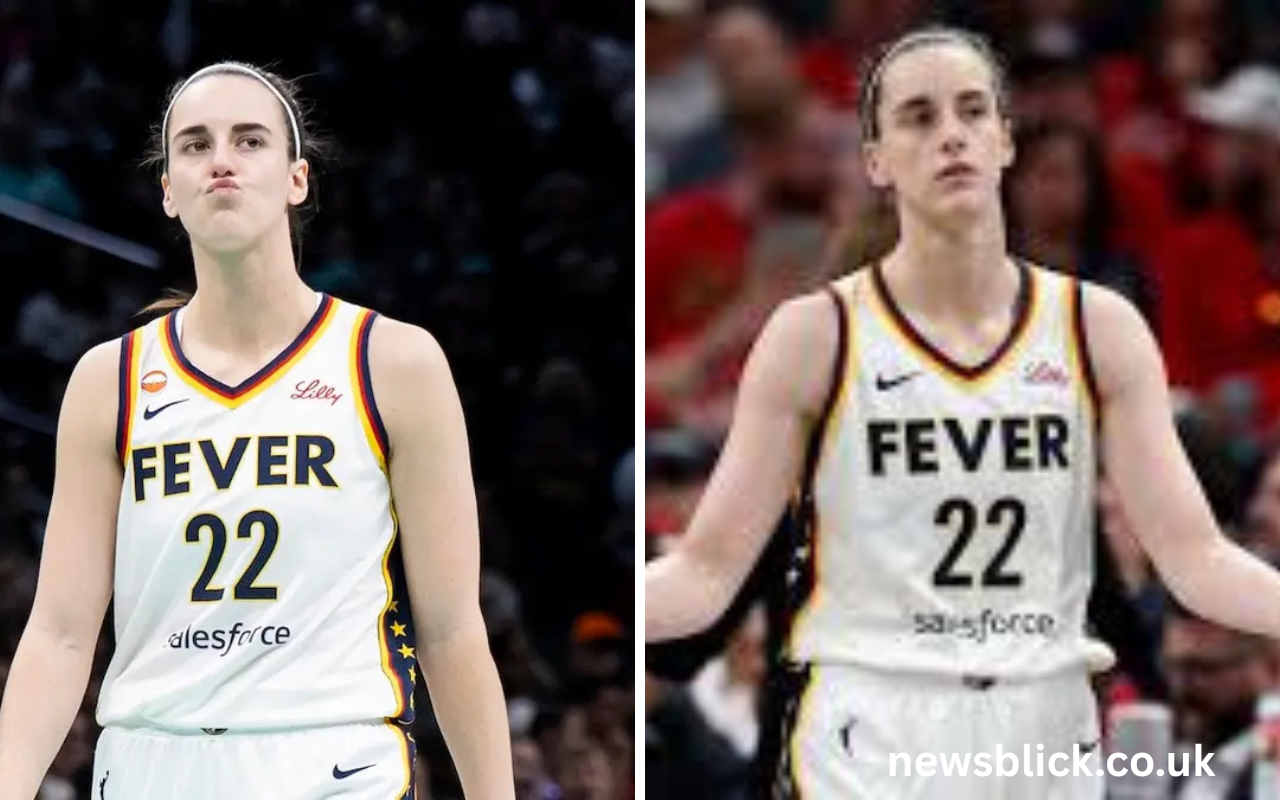
Caitlin Clark’s injury story became one of the most talked-about topics in women’s basketball after her transition from college dominance to the WNBA spotlight. Known for her deep shooting range, high basketball IQ, and durability at Iowa, her early professional career took a different turn when injuries began affecting her availability and rhythm. Fans who had rarely seen her sidelined were suddenly confronted with a new reality: even elite athletes can struggle with the physical demands of the professional level.
The transition from college basketball to the WNBA is often underestimated in terms of physical intensity. Clark entered a league where the schedule is tighter, opponents are stronger, and defensive pressure is significantly higher. This environment contributed to the strain on her lower body, particularly as she took on a heavy offensive load for the Indiana Fever. Her injury situation is not just about one moment but about the accumulation of stress over time.
As discussions around “Caitlin Clark injury update” grew, it became clear that her case represents a broader theme in modern sports. Young superstars are expected to perform immediately, often without enough recovery windows. Clark’s experience highlights how quickly workloads, expectations, and physical toll can intersect at the highest level of competition.
Jada Clare Barkley: Inside the Life of Saquon Barkley’s Daughter and Her Growing Public IdentityREAD MORE:
The Groin Strain That Changed Her 2025 Season
The most serious injury in Caitlin Clark’s professional career so far was a right groin strain that significantly impacted her 2025 WNBA season. This injury typically affects movements like sprinting, cutting, and lateral defense, all of which are essential for a guard who plays with high tempo and constant off-ball motion. The initial strain occurred during a mid-season game, and although she attempted to continue playing, it quickly became clear that the issue was more severe than expected.
Groin injuries are particularly difficult for basketball players because they do not heal quickly under continuous pressure. Even minor discomfort can return if an athlete resumes high-intensity activity too soon. In Clark’s case, the injury lingered, forcing her to miss extended time and eventually ending her season earlier than anticipated. This was a major setback not only for her but also for the Indiana Fever’s playoff ambitions.
Medical reports and team updates emphasized caution throughout her recovery process. The decision to shut her down was not based on short-term pain but long-term health considerations. In professional sports, groin strains often become recurring issues if not fully healed, which made her full rest period a necessary step for future performance stability.
Other Injuries: Quad Tightness, Ankle Issues, and Bone Bruise
While the groin strain was the most significant injury, Caitlin Clark’s 2025 season also included several other physical setbacks. She dealt with quad tightness that limited her explosiveness, especially when driving to the basket or pushing in transition. This type of injury often affects acceleration, which is a key part of her offensive identity.
In addition to the quad issues, she also experienced ankle discomfort that further restricted her movement. Ankle injuries in basketball are especially challenging because they directly impact balance, landing mechanics, and shooting stability. Even minor ankle problems can alter a player’s natural rhythm, making it difficult to perform at peak confidence.
Later in the season, a bone bruise added another layer of difficulty. Unlike soft-tissue injuries, bone bruises can be painful and slow to heal because they involve internal impact damage. Combined with her other injuries, this created a situation where multiple areas of her lower body required simultaneous recovery, extending her time away from full competition.
Timeline of Caitlin Clark’s Injury and Recovery Process
Caitlin Clark’s injury timeline began with minor physical concerns early in the season, which gradually escalated into more serious problems. At first, these issues were managed through rest and load reduction, allowing her to continue playing while still contributing at a high level. However, the cumulative stress eventually caught up with her body.
The turning point came during mid-season when her groin injury worsened after repeated gameplay. This moment marked the beginning of her extended absence from the court. Despite rehabilitation efforts and attempted returns, she was unable to regain full strength, which led to her being ruled out for the remainder of the season.
Her recovery process extended over several months, involving structured rehabilitation, strength training, and gradual reconditioning. By the time she reached full recovery, she had missed a significant portion of competitive play. This long timeline emphasized how serious lower-body injuries can be for athletes who rely heavily on speed and agility.
Impact of Caitlin Clark’s Injury on Indiana Fever Performance
The Indiana Fever experienced a noticeable shift in performance during Caitlin Clark’s absence. As one of the primary ball handlers and scoring leaders, her role is central to the team’s offensive structure. Without her presence, the team had to adjust its gameplay and rely more on secondary scoring options.
Her absence also affected spacing and defensive attention. Opponents often focus heavily on Clark when she is on the floor, which creates opportunities for her teammates. Without that attention, the team’s offensive dynamics changed, making scoring consistency more difficult in tight games.
Beyond statistics, her injury had an emotional and psychological impact on the team. Young squads often build identity around their star players, and losing that anchor can disrupt confidence and rhythm. The Fever’s adaptation during this period highlighted both their dependence on her and their need for broader roster development.
Recovery Journey and Rehabilitation Strategy
Caitlin Clark’s recovery process was carefully managed to avoid long-term complications. The focus was not just on healing the groin strain but also on strengthening surrounding muscle groups to prevent reinjury. This approach is common in elite sports, where preventing future setbacks is as important as treating the current injury.
Rehabilitation included gradual movement training, controlled basketball activity, and conditioning work designed to restore explosiveness without overwhelming her body. The process was slow and structured, reflecting the seriousness of lower-body injuries in high-performance athletes.
Her recovery also involved mental adjustment, as long injury breaks can affect confidence and timing. Regaining rhythm after months away from competition requires both physical readiness and psychological comfort. By the end of her rehabilitation phase, she had reached a point where return to full training was possible.
Caitlin Clark Return to WNBA Action and Current Status
After months of recovery, Caitlin Clark made her return to competitive basketball in 2026. Her comeback was closely monitored, with emphasis on gradual reintegration rather than immediate heavy minutes. This cautious approach helped ensure that her body could handle game intensity without triggering previous issues.
Early reports from her return indicated improved movement and confidence on the court. While players often need time to fully regain form after long layoffs, Clark’s natural skill set allowed her to contribute effectively even in limited minutes. Her shooting range and court vision remained key strengths.
As of her latest updates, she is considered fully active but still under workload management. This means her minutes and intensity are carefully controlled to maintain long-term health. The Indiana Fever’s approach reflects a broader trend in professional basketball where protecting star players is prioritized.
Playing Style Adjustments After Injury Concerns
One of the most notable developments following Caitlin Clark’s injury has been subtle changes in her playing style. Instead of carrying the full offensive burden at all times, she has increasingly been used in off-ball situations to reduce physical stress. This allows her to conserve energy while still remaining highly effective.
Reducing constant ball-handling responsibilities helps limit exposure to contact situations, which can reduce injury risk. It also allows her to focus more on shooting opportunities and playmaking in controlled moments rather than continuous pressure.
These adjustments are not a limitation but rather an evolution in her game. Many elite players refine their style after injury experiences to extend their careers. In Clark’s case, this shift could ultimately make her more efficient and durable over time.
Media Attention, Fan Reaction, and Injury Pressure
Caitlin Clark’s injury updates attracted massive media attention, reflecting her status as one of the most recognizable figures in women’s basketball. Every update on her groin strain, recovery progress, or return timeline became widely discussed across sports platforms and social media.
Fan reactions ranged from concern to optimism, with many expressing support for her long-term health over short-term performance. The level of attention also highlighted how modern athletes face constant scrutiny, where even minor injuries become major headlines.
This pressure adds another layer to the recovery process. Managing expectations while focusing on healing is a challenge that extends beyond physical rehabilitation. Clark’s situation demonstrates how high-profile athletes must balance performance, health, and public expectations simultaneously.
Future Outlook for Caitlin Clark’s Injury Recovery and Career
Looking ahead, Caitlin Clark’s injury history does not define her career but rather shapes its early chapter. With proper workload management and continued strengthening, she has a strong chance of maintaining long-term durability in the WNBA. Her young age also works in her favor, as it allows more time for physical adaptation.
The Indiana Fever’s support system and strategic approach will play a key role in her future health. By managing minutes and reducing unnecessary strain, the team aims to preserve her availability for key games and seasons ahead.
Ultimately, her future remains highly promising. If her recovery continues on the right path, she has the potential to not only return to her pre-injury form but possibly evolve into an even more complete and efficient player.