





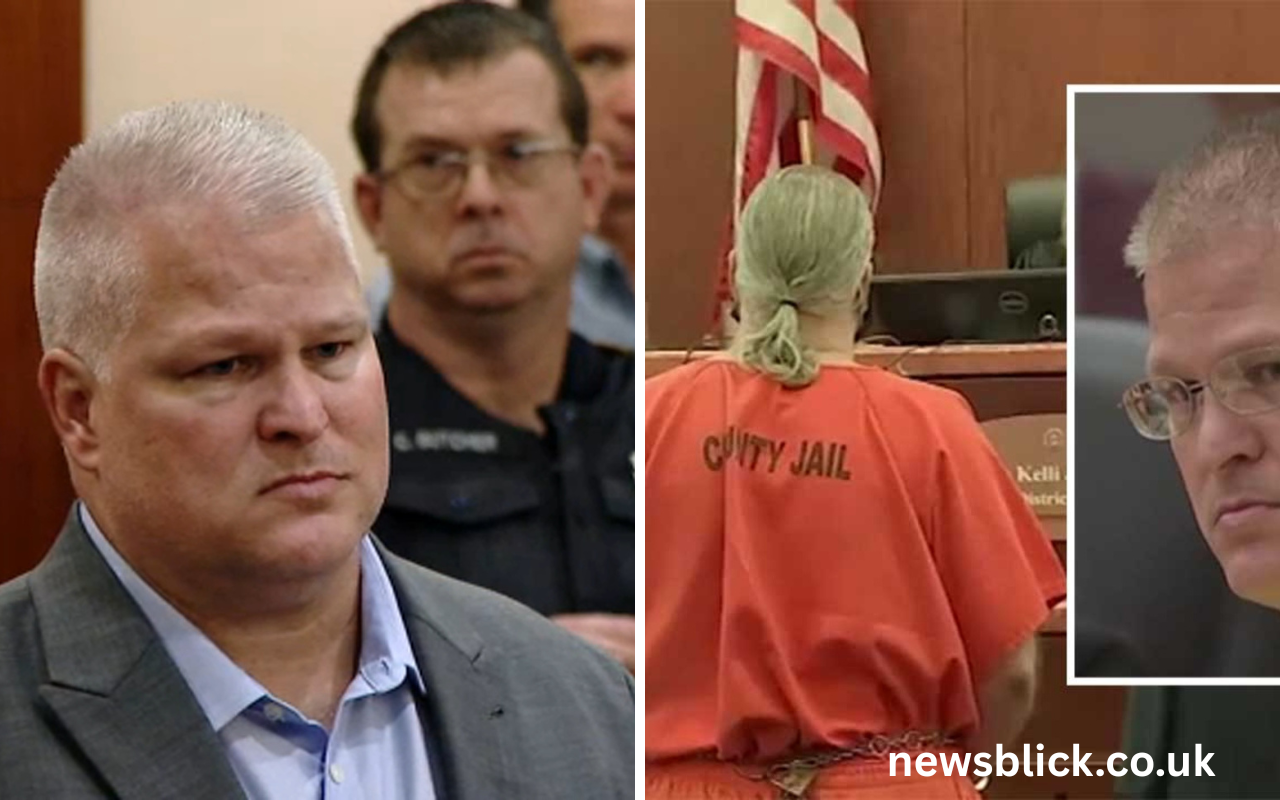
David Temple Case: Biography, Murder Trial History, and Legal Controversy Explained
Who is David Temple
David Temple is a former American high school football coach and educator from Katy, Texas, who became widely known due to his involvement in a high-profile criminal case. His name is closely linked with one of the most discussed legal battles in Texas, often referred to as the David Temple case, which centers around the 1999 death of his wife.
Before the allegations, Temple lived a relatively quiet life as a teacher and coach. He worked in the education system and was involved in school athletics, earning respect in his professional environment. However, his life changed completely after the tragic incident involving his wife, Belinda Temple.
Over time, the case gained national attention due to its complexity and long legal history. It is now widely referenced in discussions about criminal investigations, forensic evidence debates, and courtroom decision-making in the United States.
READ MORE : Sydney Sweeney: Rising Hollywood Star, Career Journey, and Industry Impact
Early Life and Background
David Temple grew up in Texas and developed a strong interest in sports during his early years. He later attended Stephen F. Austin State University, where his academic journey also shaped his personal relationships and future career path. His early life was largely centered around athletics and education.
During college, he met Belinda Lucas, who later became his wife. Their shared interests in teaching and sports helped build a strong connection. After graduation, Temple moved into a career in teaching and coaching, which became his professional identity for many years.
Before the case, Temple was seen as a typical suburban educator living a stable life. However, later discussions about his past became important during the investigation into the Belinda Temple murder, as prosecutors and defense teams examined his background for possible motives or inconsistencies.
Marriage and Life in Katy Texas
David Temple married Belinda Lucas in 1992, and the couple settled in Katy, Texas. Both worked in education, creating a shared professional environment. Their relationship was often described as ordinary on the surface, with a focus on family and teaching careers.
They had one son, Evan Temple, born in 1995. By 1999, Belinda was pregnant with their second child, which made the upcoming months especially significant for the family. Their home life appeared stable, though later court discussions questioned aspects of their relationship.
The Katy Texas murder case involving the Temple family later became one of the most widely reported incidents in the region. What was once a quiet family life turned into a major criminal investigation that changed everything for those involved.
The 1999 Belinda Temple Case
On January 11, 1999, Belinda Temple was found dead inside the family home in Katy, Texas. She was eight months pregnant at the time, and the incident shocked the local community. Authorities determined that she had been shot with a shotgun.
David Temple reported discovering his wife after returning home. He claimed there were signs of a break-in and initially suggested that a burglary might have occurred. This explanation became an early focus of the investigation but was later questioned.
The Belinda Temple murder case quickly became more complex as investigators examined inconsistencies in the scene. What initially appeared to be a home invasion was gradually treated as a possible staged crime, leading to a deeper criminal investigation.
Investigation and Forensic Evidence Controversy
As police investigated the case, they began to question whether the crime scene matched a burglary scenario. Certain physical evidence, such as entry points and missing items, did not fully align with the initial explanation. This shift marked a turning point in the case.
A major focus became forensic findings, including gunshot residue analysis and blood evidence interpretation. The forensic evidence controversy became central to later courtroom debates, as both sides argued over how the scientific results should be understood.
Investigators also explored possible motives, including personal relationships and marital stress. These elements were used by prosecutors to build a narrative, while the defense challenged the reliability and interpretation of the evidence.
First Trial Conviction and Legal Outcome 2007
David Temple was arrested several years after the incident and eventually brought to trial in 2007. The prosecution argued that he was responsible for the death of his wife and that the crime scene was staged to resemble a burglary.
During the trial, the defense challenged key forensic conclusions and questioned the strength of the prosecution’s timeline. Despite these arguments, the jury found Temple guilty of murder after reviewing the presented evidence.
This outcome became a defining moment in the Harris County court case, leading to a life sentence. However, the conviction did not end the legal journey, as appeals and new evidence later changed the direction of the case.
Appeals Overturning Conviction and Retrial Process
After the conviction, Temple’s legal team filed appeals arguing that critical evidence had not been properly disclosed during the original trial. These claims led to further court reviews and legal scrutiny of the case.
In 2016, his conviction was overturned, and he was granted a new trial. This decision was based on concerns about fairness in the original proceedings and how certain information was handled. It reignited public interest in the David Temple retrial process.
The retrial became a major legal event in 2019, with both sides again presenting arguments about forensic science, motive, and alternative interpretations of the evidence. The case gained renewed media attention due to its complexity and long history.
Final Verdict and Current Legal Status
In the 2019 retrial, David Temple was again found guilty of murder. The jury reviewed updated arguments and evidence before reaching its decision. This verdict reaffirmed the prosecution’s position in the case.
Following the trial, Temple was sentenced to life in prison. His legal team continued to pursue appeals, but the conviction has remained in place based on publicly available court outcomes. The case continues to be referenced in legal discussions.
The true crime Texas case involving David Temple remains significant in media coverage and legal analysis. It is often discussed in relation to criminal justice procedures, evidence interpretation, and long-term appeals in serious felony cases.
Public Reaction and Case Legacy
The David Temple case has remained a topic of public debate for many years. Some observers focus on the forensic evidence and trial outcomes, while others question aspects of the investigation and legal process. This divide has kept the case in public discussion.
Media coverage, documentaries, and true crime analysis have contributed to ongoing interest. The emotional impact of the case, especially involving the death of an unborn child, has made it particularly sensitive and widely reported.
Today, the David Temple case stands as one of the most complex criminal cases in Texas legal history. It continues to be studied for its legal challenges, courtroom decisions, and the long timeline of appeals and retrials.